Heritage
Orlando
Orange
Company

Turning sunshine into gold. That line sat on the 1920 prospectus title.
 Orlando Orange Company
Heritage
Turning sunshine into gold. That line sat on the 1920 prospectus title.

Turning sunshine into gold.
Orlando Orange Groves Company, 1920 prospectus title
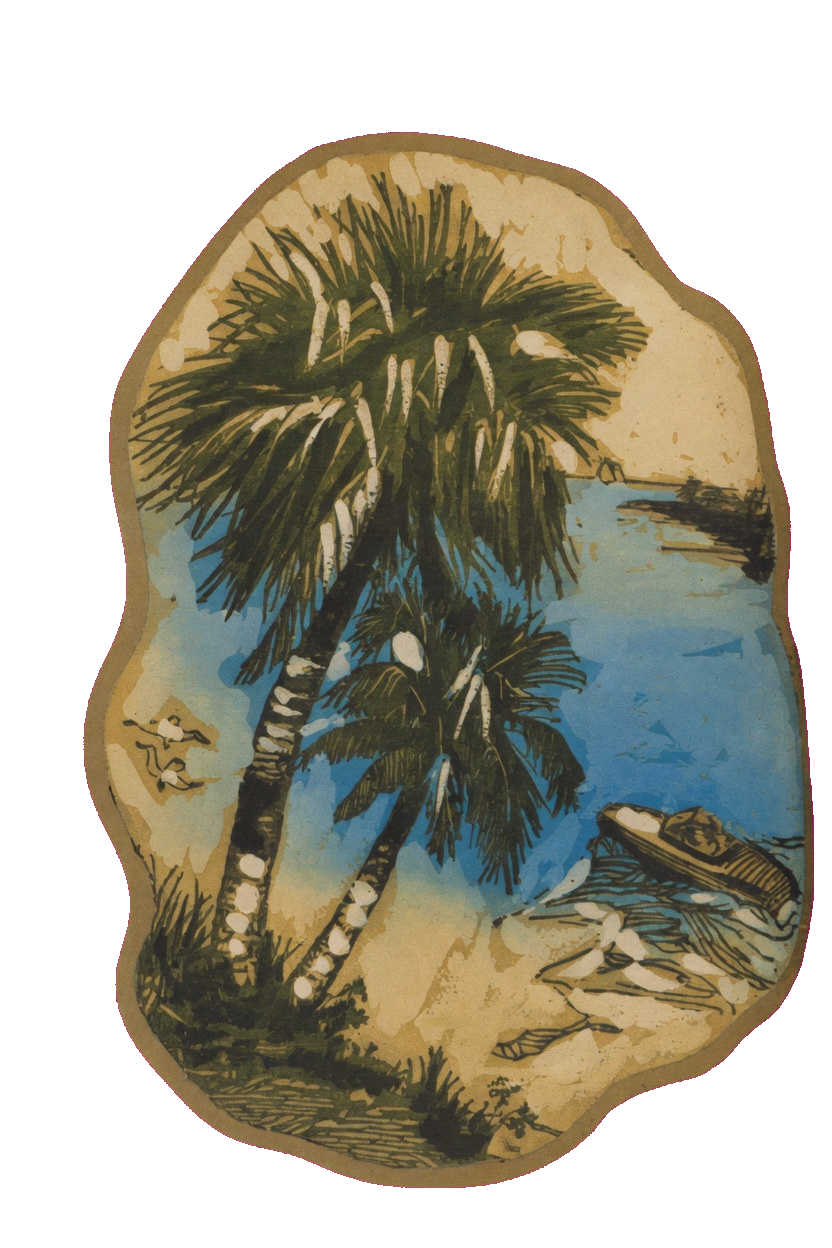
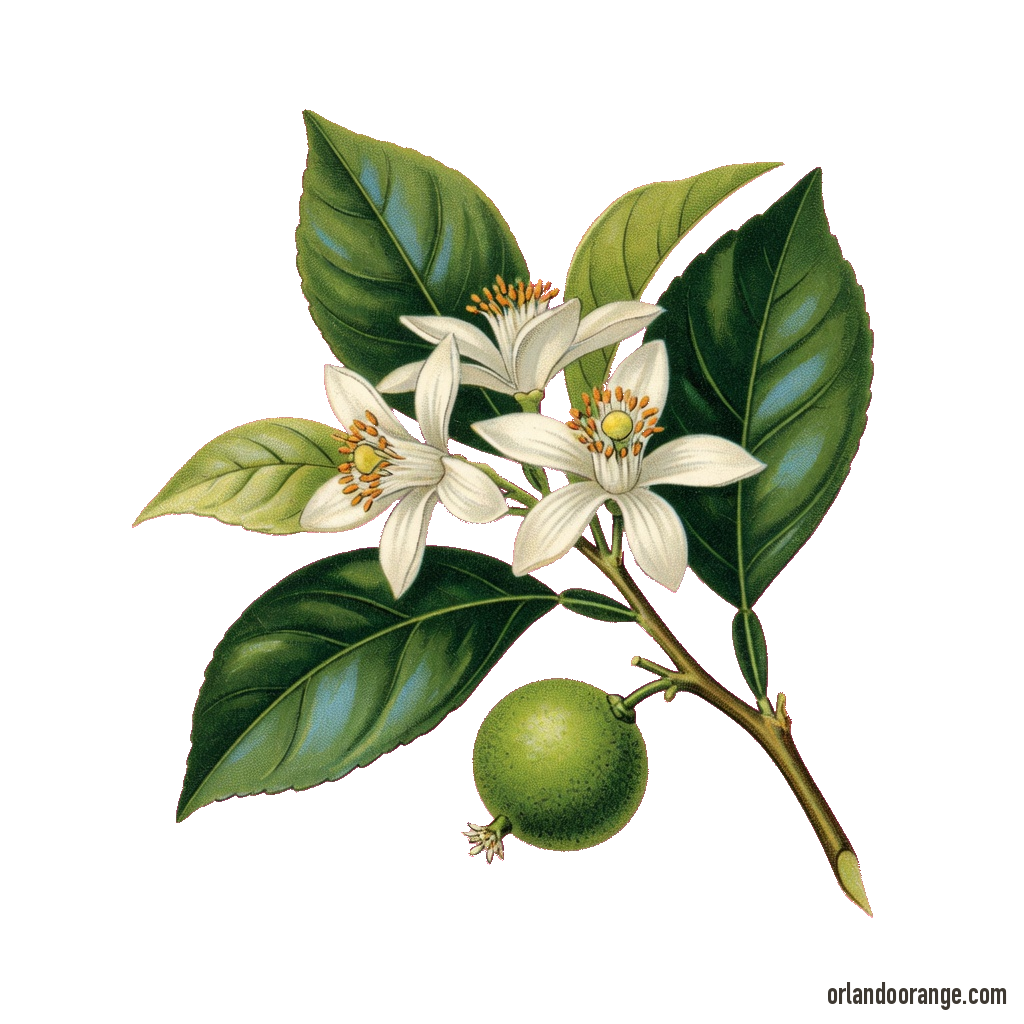
A lake afternoon from the old prospectus plates. Palms, a skiff, and a slow shore. Central Florida sold that picture because the fruit was real: early Hamlin, midseason Pineapple, late Valencia hanging into warm weather.
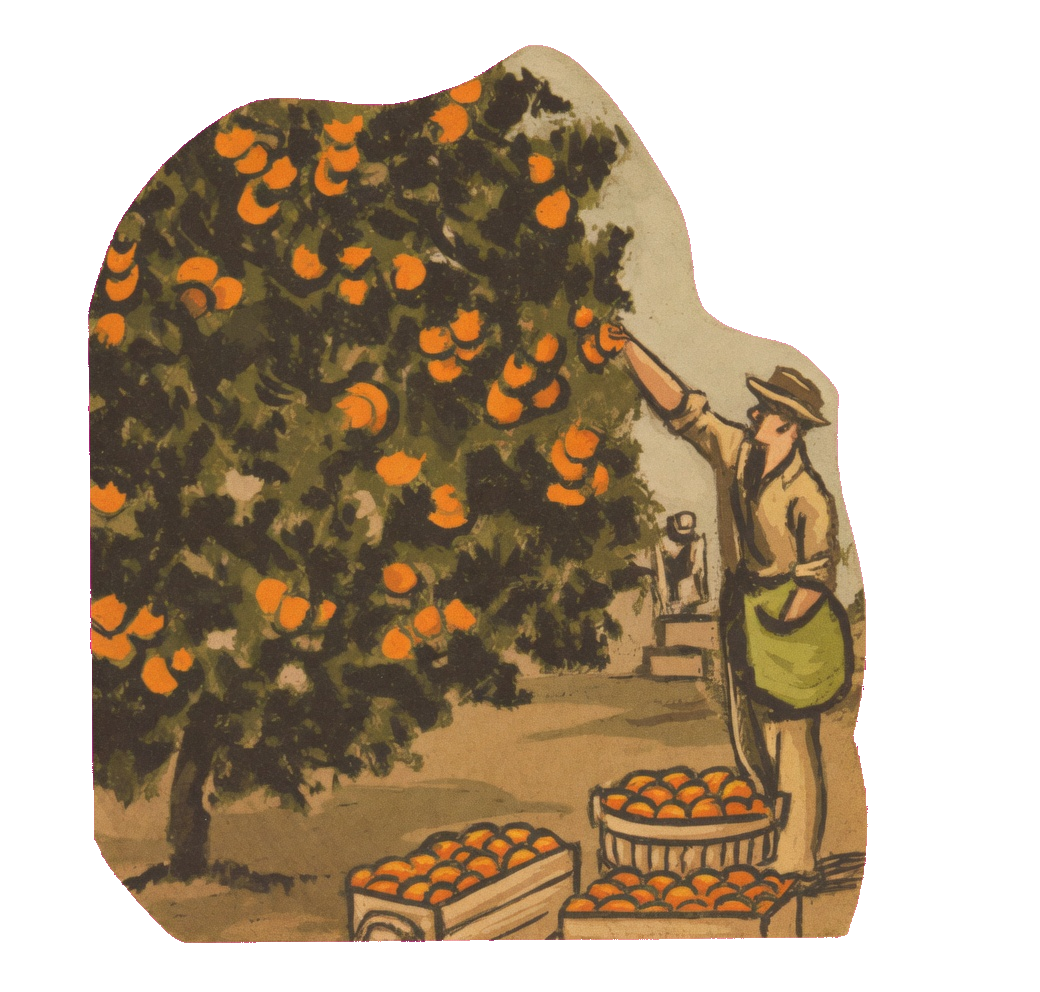
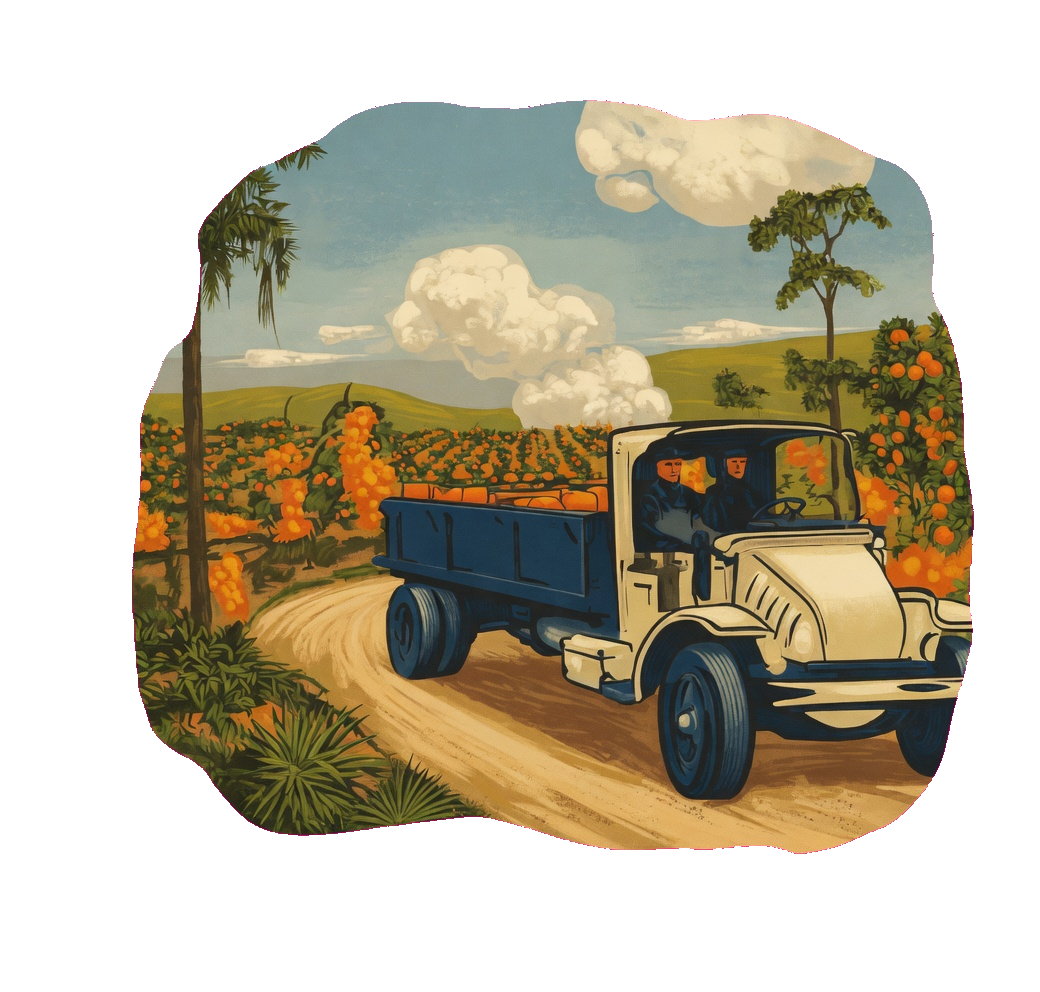
Gardening Solutions still calls Valencia the king of juice oranges in Florida. Hamlin trees produce the most fruit for juicing. Navels are the popular fresh fruit because they can be eaten or juiced. That split is older than this site. A 1920 grove prospectus sold sunshine as gold because juice and packing were the cash crop, not a magnet on a fridge. Citrus Culture in the Home Landscape still puts sweet orange first for a dooryard and still staggers Hamlin/navel, Pineapple/Midsweet, and Valencia so fruit runs from early November to July.
The home-landscape citrus guide limits citrus to sites that do not regularly freeze. Late fruit freezes before it matures on a historically cold lot. Satsuma is the note for colder ground north of Orlando. Valencia is the late juice orange, so it is the freeze risk. Hypothesis: Orange County's urban core maps to USDA zone 10a; inland pockets still include 9b. A zone number is a 30-year average, not a promise that 1920s packing still works on a modern lot.
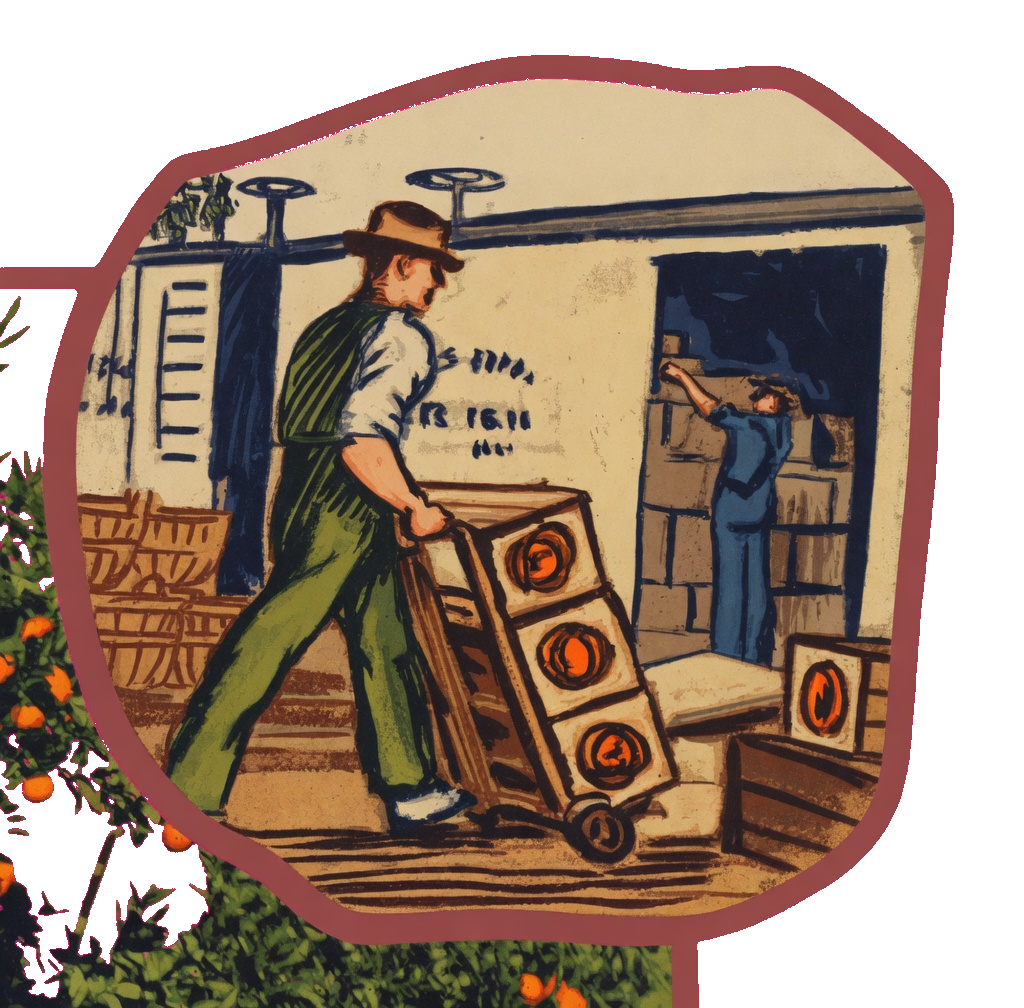
CREC Selecting a Citrus Tree and Growing Citrus in the HLB Era are honest about the century after the prospectus. Huanglongbing is incurable and endemic. There is no citrus tree resistant to it. Some UF varieties are more tolerant. The 1920 packing-house picture is homage. A dooryard orange today still follows UF/IFAS planting guidance and faces greening pressure. Buy a USDA-certified nursery tree. Ask for the rootstock on the tag. Planting notes live on Grow.
Souvenir stills for the door and the shop.