 Orlando Orange Company
Grow
Dooryard sweet orange in Central Florida


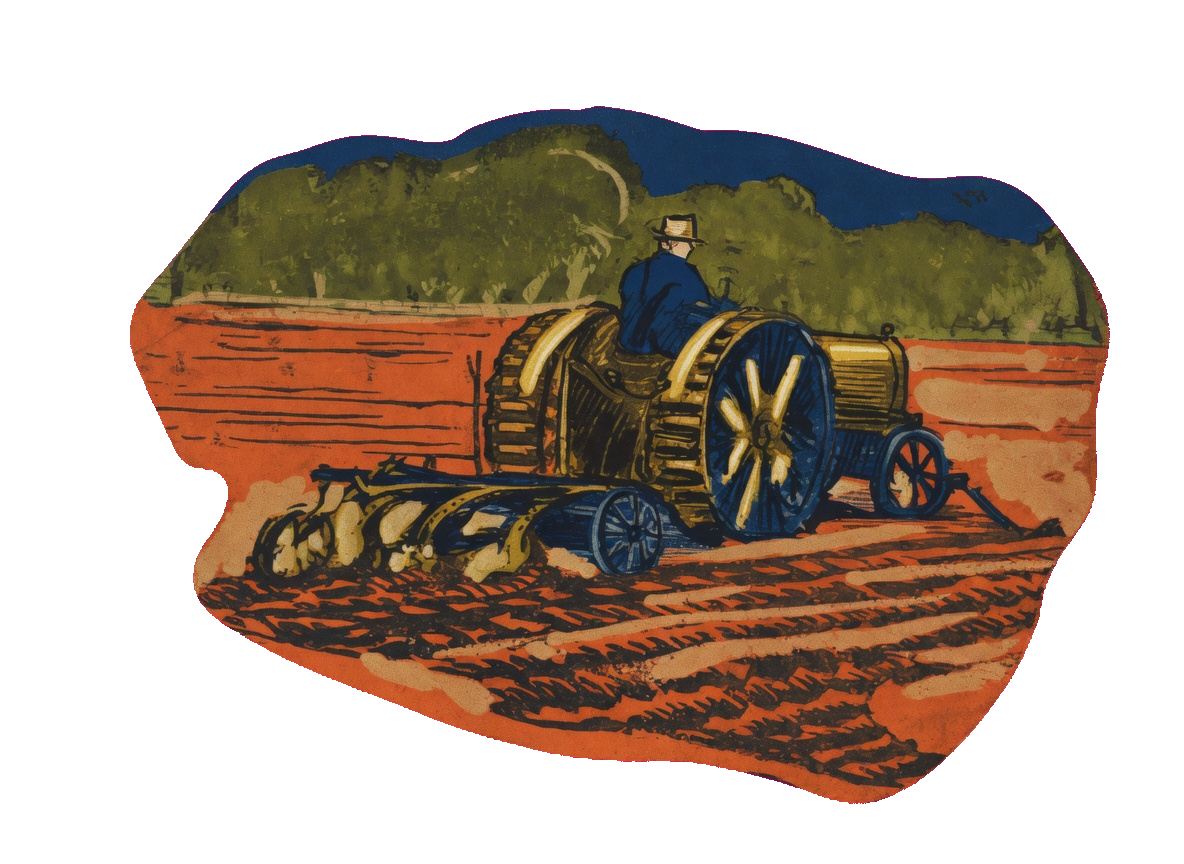
Citrus Culture in the Home Landscape still puts sweet orange first. If the yard holds one tree, UF/IFAS names an early variety such as Hamlin or a navel. A freeze is the line that matters in Orange County, and the home-landscape citrus guide limits citrus to sites that do not regularly freeze.
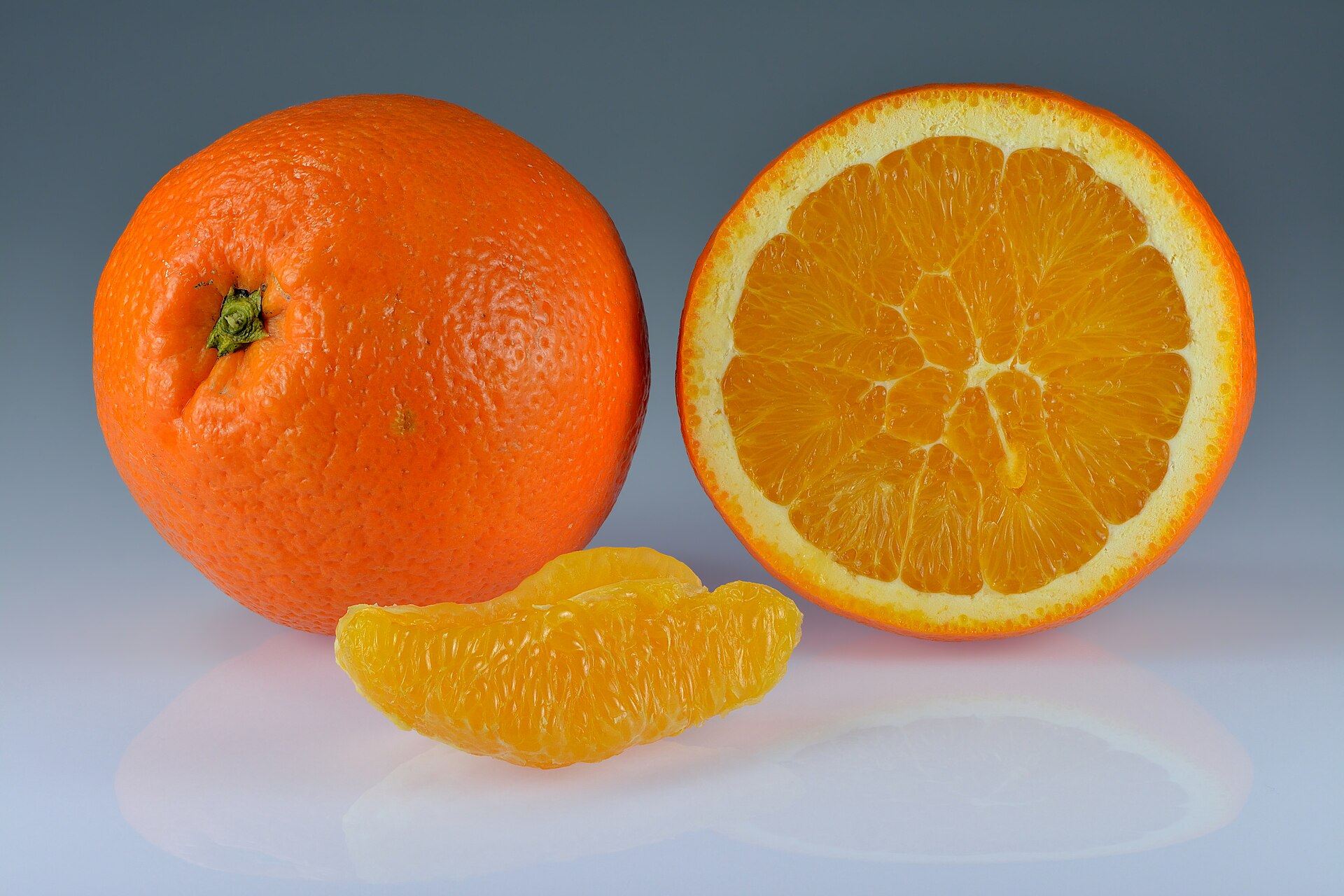
Selection of a tree from each of these three maturity seasons will supply fresh fruit continuously from early November to July.
Early, mid, and late
The home-landscape citrus guide's Table 1 is the calendar. Hamlin and navel sit in the early window. Pineapple and Midsweet cover midseason. Valencia is the late fruit, listed March through June. Stagger those three and the bowl can stay full from November into summer. One tree cannot do it.
| Cultivar group | Season in the paper | Notes in the paper |
|---|---|---|
| Hamlin | Early, Oct–Jan | Fruit drop late in season |
| Navel | Early, Oct–Jan | Shy bearers. Postbloom fruit drop |
| Pineapple / Midsweet | Mid, Dec–Mar | Pineapple alternate-bears. Midsweet drops less |
| Valencia | Late, March–June | Postbloom fruit drop listed |
There is one line in the home-landscape citrus guide written for this county. Satsuma mandarins are called especially suitable for cold locations north of Orlando, maturing in late November, and they hold eating quality on the tree for only about four to six weeks. If your lot freezes every few years, the paper says to skip the tender types and the late varieties, because late fruit would be frozen before it matured. Valencia is that late fruit.
Juice versus eating
Gardening Solutions splits the Florida sweet oranges by use. Navels are the most popular because they can be eaten fresh or juiced. Hamlin trees produce the most oranges for juicing. Valencias provide sweet, bright-orange juice and are considered the king of juice oranges in Florida. Temple orange and honey tangerine (Murcott) are tangerine–sweet orange hybrids. That is grocery and industry language. The home-landscape citrus guide is still the planting paper: sweet orange first, early variety if the yard holds one tree, Valencia if there is room for a late one.
CREC Selecting a Citrus Tree says Hamlin and Valencia are great for juice. Hybrids such as Sugar Belle mandarin and other tangerines are the fresh-fruit row, and some of those also juice well. CREC's Hamlin window is December through January. Valencia begins around mid-February. The harvest table in Citrus Culture in the Home Landscape is a little wider (Hamlin October–January, Valencia March–June). Taste beats peel color on both clocks.
Selecting a tree, and the rootstock
The selecting-a-tree section in Citrus Culture in the Home Landscape is practical. Choose a variety you actually eat. Rootstocks vary in soil adaptation and can influence fruit quality. Retail nurseries and garden centers usually graft to industry standard rootstocks, so the rootstock is often not a choice you make at the rack. Ask anyway. Other factors in that same paragraph: freeze sensitivity, whether a mandarin needs a pollenizer nearby, and pest-protection needs. Late-season fruit on a historically cold lot freezes before it matures.
CREC Selecting a Citrus Tree adds the nursery walk-around. Look past the variety name on the label. Want deep green leaves, a full dense canopy, and a tag from a certified USDA nursery. The trunk should be straight and firm. Inspect the leaves for obvious insects or diseases, including ants. CREC's most important selection criterion now is tolerance to Huanglongbing. There is no citrus tree resistant to greening. UF/IFAS breeders have released more-tolerant varieties that can still produce good-tasting fruit for a number of years after they contract HLB. Sugar Belle, Marathon mandarin, and the sweet orange OLL-4 are the home-landscape names on that page. Hypothesis for an Orange County lot that already has Hamlin or Valencia in mind: ask the nursery whether the tree is a standard Hamlin/Valencia or an OLL-4, and write the rootstock from the tag before you leave. The papers do not publish an Orlando backyard rootstock trial.
Gardening Solutions on cold-hardy citrus tells northern gardeners to look for trees grafted onto sour orange or trifoliate orange if freeze is the limit. That page is written for North Florida, not Orange County, and satsuma, kumquat, and calamondin are the hardy fruit it names. Hypothesis: a Central Florida sweet orange on a cold-hardy rootstock is still a sweet orange that can lose late fruit in a freeze. Rootstock does not move Valencia into the Hamlin window.
Site the tree before you buy it
Citrus tolerates light shade but produces more in full sun. Home spacing is a minimum of 15 feet between trees. Keep septic tanks and drain fields out of the plan, because roots clog drains. Weeds and sod come out from under the canopy, and especially off the trunk, since weeds against the bark invite the soil fungus that causes foot rot. The home-landscape citrus guide does not recommend mulch around citrus at all. If the tree sits in a mulched bed, keep the mulch at least a foot from the trunk.
How to plant a nursery tree
- Buy a vigorous container-grown tree. The home-landscape citrus guide says those can go in any month of the year and are more likely to live.
- Set it at the same soil line it had in the container. Pull some soil off the root mass so the outer roots meet Florida sand directly. The paper warns that a hard boundary between potting mix and sand makes watering and rooting difficult.
- Build a basin that holds five to ten gallons.
- For the first month, run a hose into each basin ten to fifteen minutes twice a week. Without a hose, give eight to ten gallons. After that, water again whenever new growth wilts in mid-afternoon.
- Start fertilizer when buds swell, or three weeks after planting. The home-landscape citrus guide calls an 8-8-8 with other macro and micronutrients a good general citrus fertilizer, applied about every six weeks from February through October in year one, starting at half a cup and working up to a pint and a half by September.
Two products on the shop shelf match that paragraph. An Espoma Citrus-tone bag is a 5-2-6 with micronutrients. Get this. Miracle-Gro sells the same idea as 10-15-15 spikes. Get this. The home-landscape citrus guide adds two cautions worth more than either bag: keep fertilizer off the trunk, and do not measure with a one-pound coffee can, because a can that size actually holds close to three pounds of mixed fertilizer.
Ground or pot
The home-landscape citrus guide is a paper about trees in the ground. It gives spacing, basins, and a fertilizer table, and it does not publish a container recipe for a mature sweet orange. What it does publish is the freeze paragraph, and that is the argument for a pot: a tree you can roll into a garage is a tree that does not depend on a forecast. A sweet orange is the hardier choice of the fruit on this site, so if a pot is the plan, the tender acid fruits are the better candidates for it. Gardening Solutions still lists a container as how people with little space or a harsh winter keep citrus: plastic, metal, or wood, large enough, with drainage, about fifteen inches wide and deep to start a young tree, and pulled inside before a freeze. Either way, ask the nursery what rootstock the tree is grafted to.
Look up a specific Orlando address on the 2023 USDA Plant Hardiness Zone Map. Hypothesis: much of the Orlando urban core maps to zone 10a (average annual extreme minimum 30–35°F); inland pockets of Central Florida still include 9b. A zone number is a 30-year average of winter lows, not a forecast. UF/IFAS Citrus Culture in the Home Landscape is blunt about historically cold sites: skip tender types and late varieties, because late fruit would be frozen before it matured. Valencia is the late sweet orange. Hypothesis for Orange County: an early Hamlin or navel in the ground, and a Valencia only if the lot does not take a hard night every few years — or a Valencia in a pot you can roll. Potted soil chills faster than ground. Move the pot before the night, not after.
Pests, and the honest HLB paragraph
The home-landscape citrus guide is calm about this. Most citrus in a landscape can be grown with no chemical pesticides at all. Fruit may carry external blemishes with no effect on what is inside, and the tree rarely suffers serious damage. Many citrus pests are held down by natural biological control. When something does warrant action, the paper names horticultural oil for insects, mites, and scales, and copper fungicides for most fungal diseases, and it says pest control should be undertaken only as the need becomes evident. For spray work it points homeowners toward a licensed applicator with the right equipment.
That is not the whole picture in Florida. Pretending greening is a rumor would be a lie. UF/IFAS Home Citrus reports that citrus canker and, more recently, citrus greening have significantly reduced residential enjoyment of these trees. Its Master Gardener project ran for two years from June 2022 testing grower tools at houses: individual protective covers, reflective ground cover, red dyed kaolin, and insecticides and fungicides. Growing Citrus in the HLB Era is the blunt page. Huanglongbing was first confirmed in a south Florida residential tree in 2005. It is incurable. The Asian citrus psyllid spreads it. Disease spread is endemic, so the tree will become infected. Growing a citrus tree during the HLB era is an investment of time, money, and resources with no guarantee of success. Before HLB, trees stayed productive for fifty years or more. Infected trees do not live as long, look worse, and do not make the same fruit. CREC Selecting a Citrus Tree repeats the resistance line: there is no citrus tree resistant to greening; some UF varieties are more tolerant. Buy from a USDA-certified nursery, expect to live with greening in the neighborhood, and take a leaf sample to your county Extension office rather than guessing from a photo.
When to pick
Citrus does its ripening on the tree, so the pick window is the maturity season in Table 1, not a color change in a bowl. Early varieties come in from about November. Valencia hangs into June. Grapefruit, if you add one, holds good quality for harvest across an extended period each year. A grown sweet orange puts fruit above arm's reach, which is what a pole is for. Get this. In the kitchen the peel is the part people waste. A rasp zester takes the colored layer without the white pith under it. Get this.
Pruning, briefly
Remove the shoots that come from the base of the trunk early on. Those are the rootstock variety and will not give you fruit you want. A mature tree does not need its canopy pruned for production or health, except after real freeze or disease injury, and the home-landscape citrus guide warns that unnecessary pruning reduces the crop. Cut vertical water sprouts, and make cuts flush so no stub is left for rot organisms.
Questions
Can one tree cover the year?
One early tree covers fall into winter. The home-landscape citrus guide wants a midseason variety and a Valencia if the goal is fruit into summer.
Is navel the same as Valencia?
No. Navel is early, Valencia is late, and both are sweet orange. Navels are also listed as shy bearers. Gardening Solutions: navels eat or juice; Valencia is the juice orange.
Is Valencia a juice orange?
Gardening Solutions calls Valencia the king of juice oranges in Florida. Hamlin produces the most fruit for juicing. Navels are the popular fresh fruit.
Do I choose the rootstock?
Per Citrus Culture in the Home Landscape: rootstocks change soil adaptation and fruit quality, but retail trees are usually on industry standards. Ask the nursery what is on the tag. CREC: USDA-certified nursery tag, deep green leaves, straight trunk.
Will greening take the tree?
CREC: there is no citrus tree resistant to Huanglongbing. Some UF varieties are more tolerant. The disease is incurable and endemic. Buy clean stock and take a leaf sample to Extension rather than guessing.
What pH does the soil need?
The home-landscape citrus guide gives an optimum range of 5.5 to 6.5, and says to add dolomitic limestone below 5.0. It also says many home trees do fine with no attention to soil pH at all. Test through your county Extension office before treating anything.
Sources
- Citrus Culture in the Home Landscape (HS132), UF/IFAS
- Citrus, UF/IFAS Gardening Solutions
- Cold-Hardy Citrus, UF/IFAS Gardening Solutions
- Selecting a Citrus Tree, UF/IFAS CREC Home Citrus
- Growing Citrus in the HLB Era, UF/IFAS CREC
- UF/IFAS Home Citrus, Citrus Research and Education Center
- USDA Plant Hardiness Zone Map (2023)
Open the season page for yard fruit versus the grocery box, or the shop for the rest of the tools.